Butrint
Recognized as a UNESCO World Heritage Site for its rich history and well-preserved ruins, Butrint National Park is magical for those who follow the stones and appreciate nature.
ALBANIA
11/6/20252 min read
Butrint and the Butrint National Park are amazing microcosms of Mediterranean history, with occupation dating from 50 000 BC, at its earliest evidence, up to the 19th century AD. Beginning in prehistoric times, the town/city of Butrint has been influenced by many people through the ages including the Romans, the Greek, the Byzantines, the Chaonian tribes, the Angevin, and the Venetia. Now, we have influenced Butrint on a microscopic level.
For example, Caesar visited Butrint in 44 BC and designated it a Roman colony city. Evidence of Roman architecture is everywhere. Augustus, Caesar’s adoptive son, further developed the town and expanded Butrint considerably by reclaiming marshland, primarily to the south across the Vivari Channel, where a Roman aqueduct was built. This UNESCO world heritage site is one of the largest preserved sites.
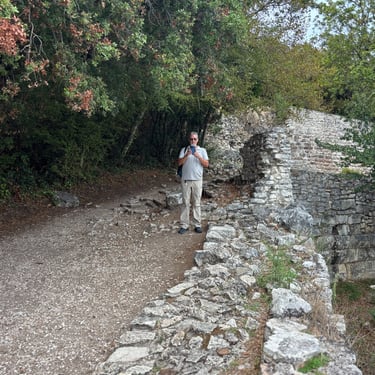
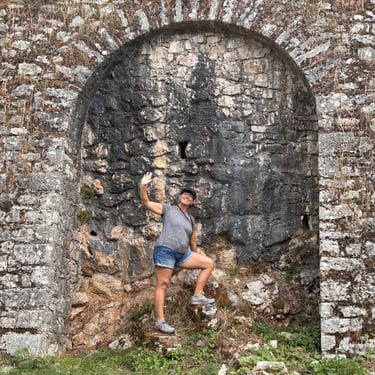
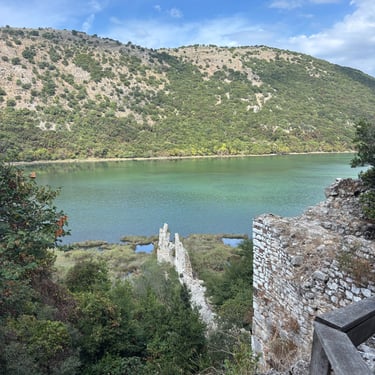
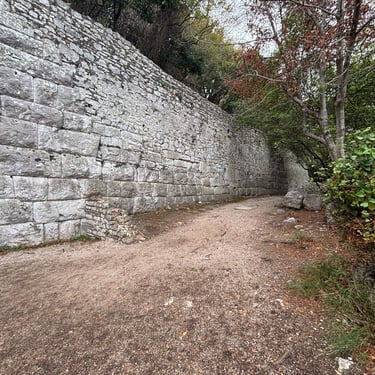
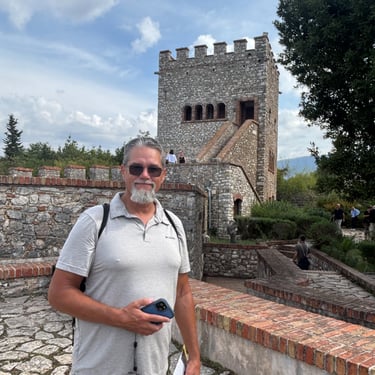
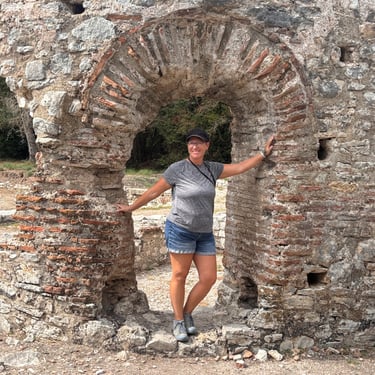
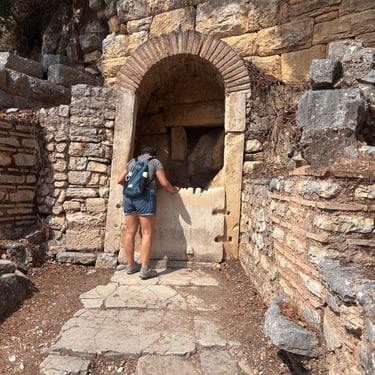
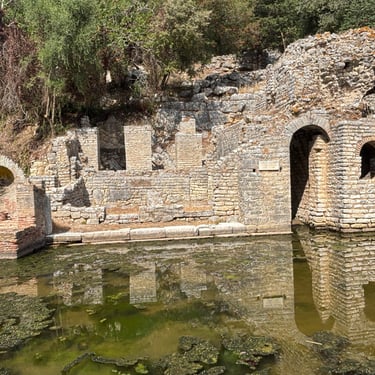
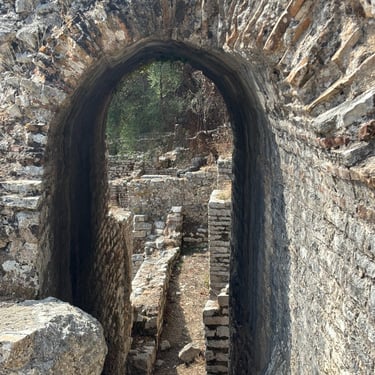
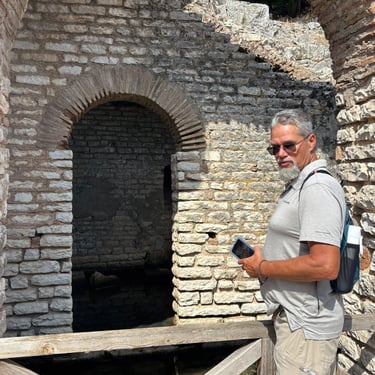
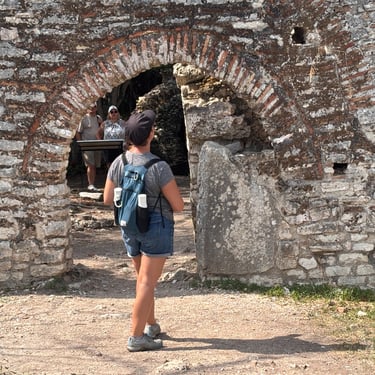
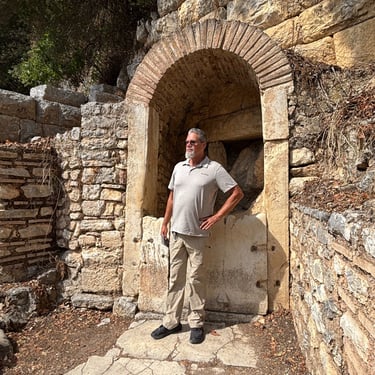

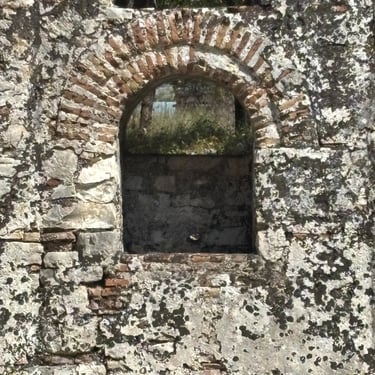
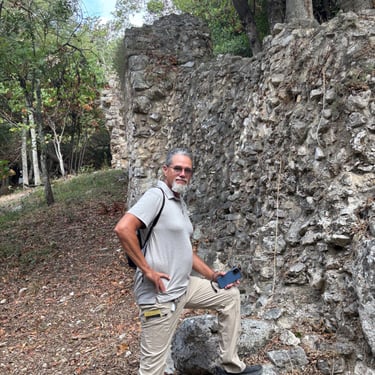
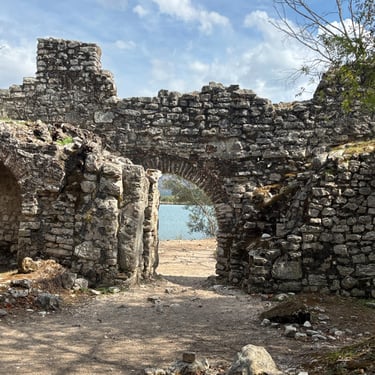
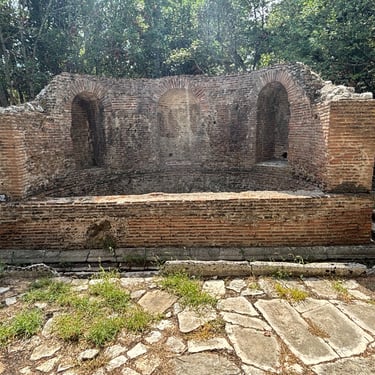
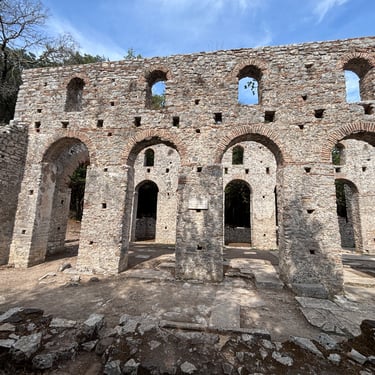
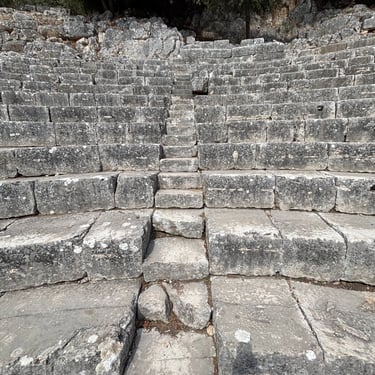
In the 5th-4th century AD Butrint became an Episcopal center dedicated to the God of healing, Asclepius. Worshipers came to the sanctuary for healing and left symbolic object and money to the God. The theater was used for religious, public, and dramatic events for the community and even expanded in the 2nd century. Inscriptions in the stones were found at Butrint. Some recorded the names of slaves and the freeing of slaves in honor of Asclepius, Zeus Sotiris, and Pan. Some inscriptions even tell the role of women during this period of time.
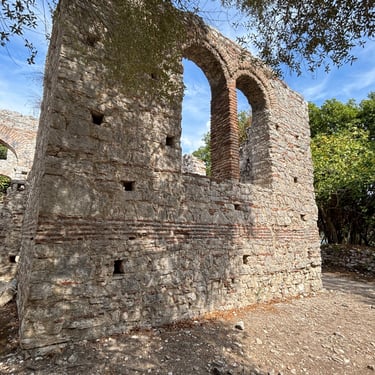
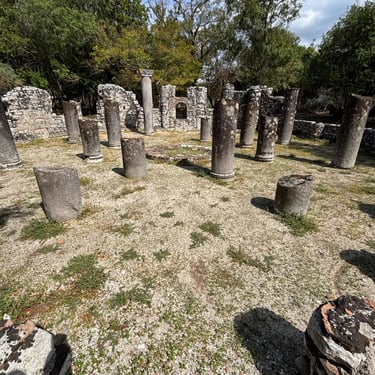

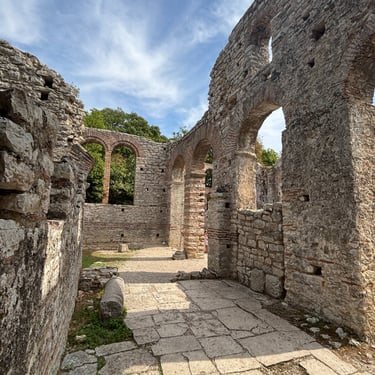
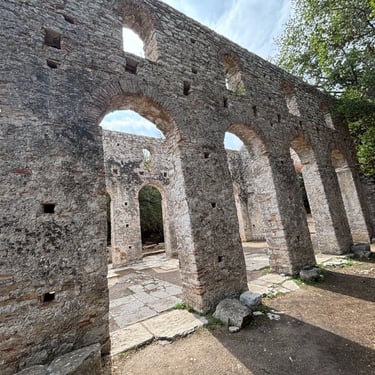
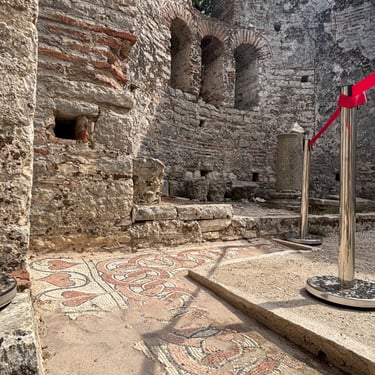
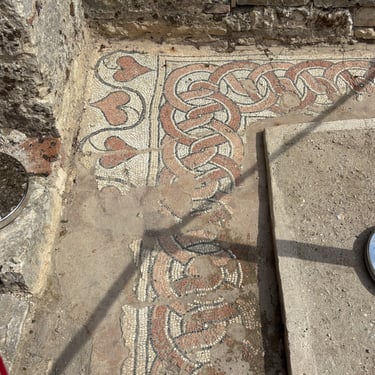
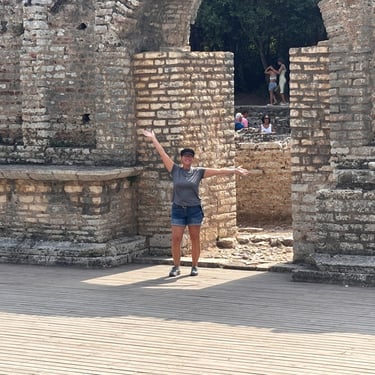
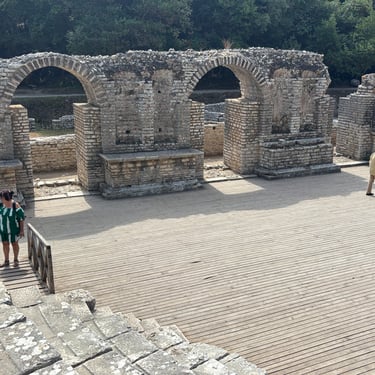
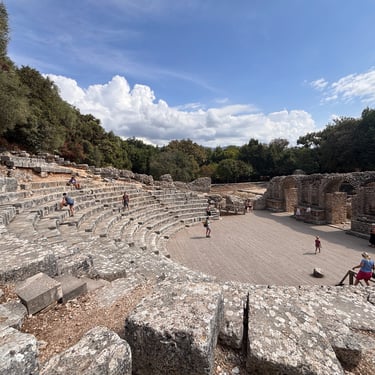
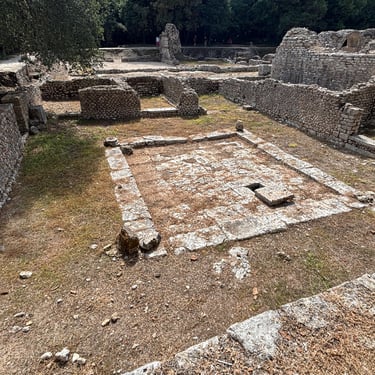
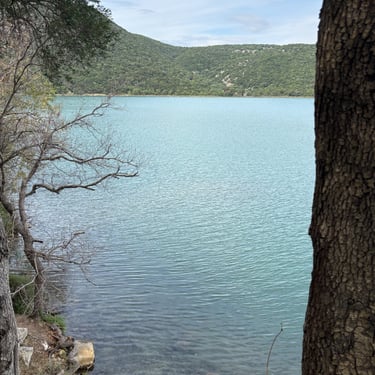
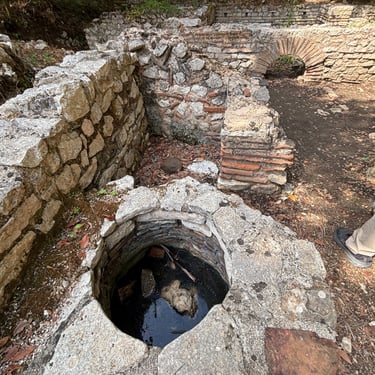
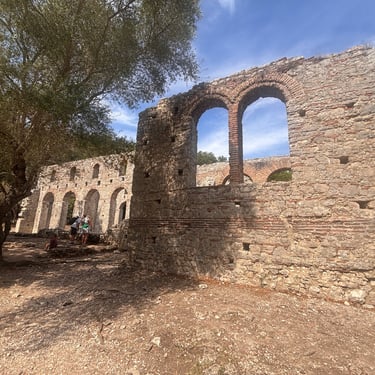
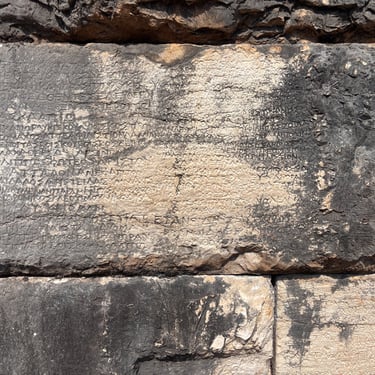
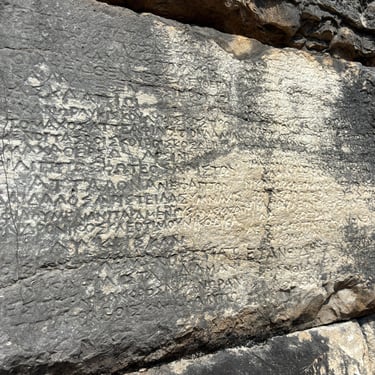
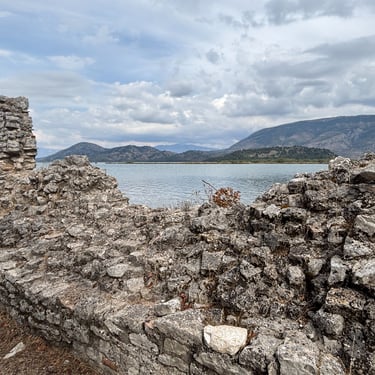
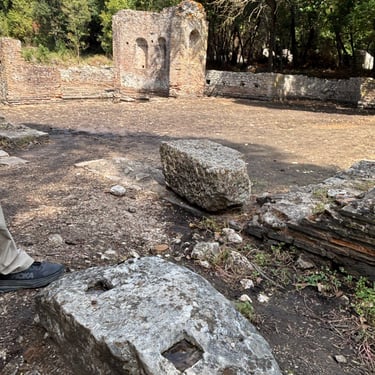
Archeologists have, so far, identified eight churches in Butrint. The Butrint Baptistry rivals some of the early Byzantine monuments found in Italy. Visitors can see the outline here, but the beautiful mosaic floors are currently covered for protection against the elements. The seasonal rise and fall of the lagoon water levels have prevented full restoration at this time. The Great Baptistry was built near the same time as the Butrint Baptistry. When you finish looking at the gigantic walls in wonder, you can see a tiny bit of the mosaic floors.
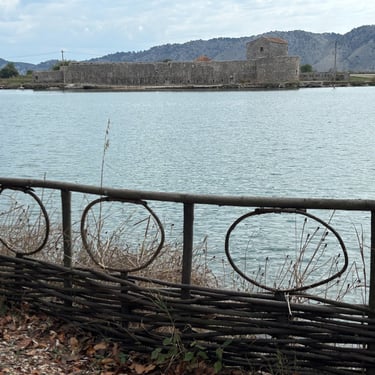
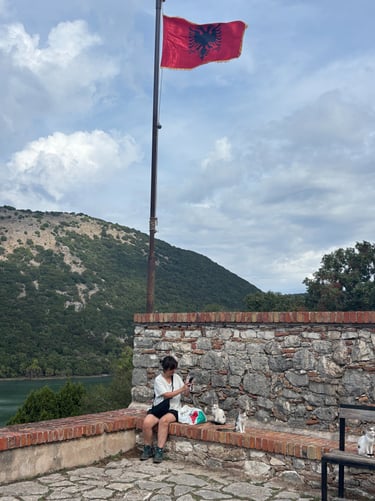
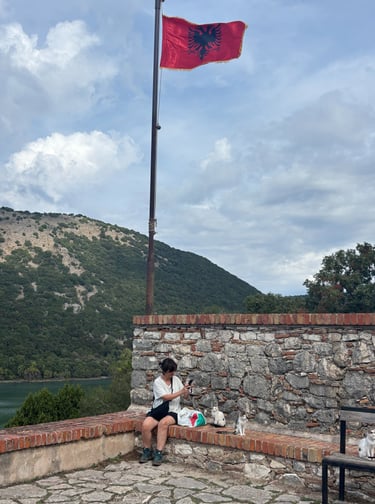
At the beginning of the 19th century, a new fortress was added to the defensive system of Butrint at the mouth of the Vivari Channel. It was built by Ali Pasha, an Albanian Ottoman ruler who controlled Butrint and the area until its final abandonment. With its exceptional cultural landscape, that was developed organically over many centuries, the heritage value of Butrint is one of the most historic landscapes in the Mediterranean region. It constitutes a very rare combination of archaeology and nature, and it belongs to the amazing Albanians for as long as they can protect it.
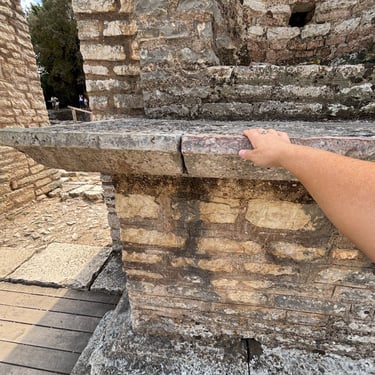
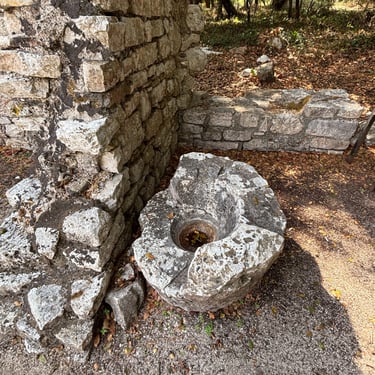
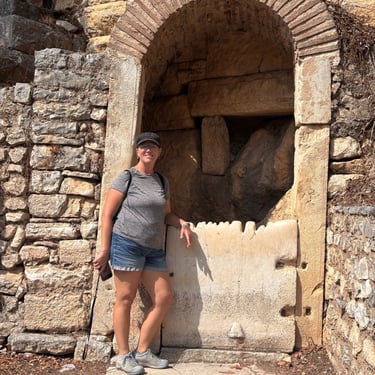
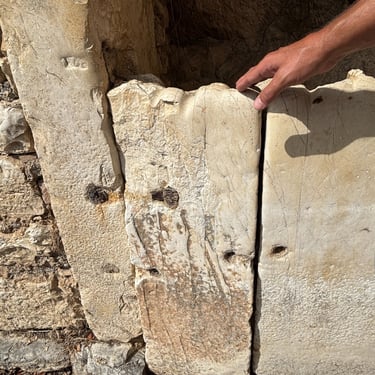
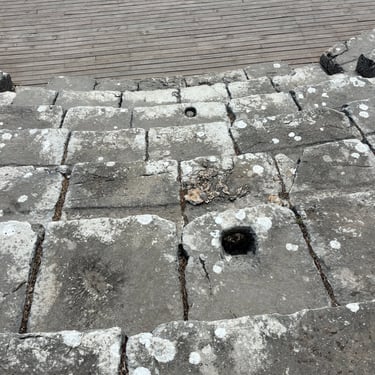
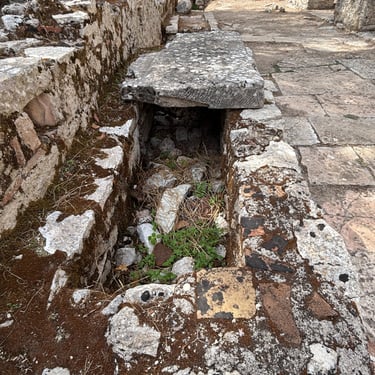
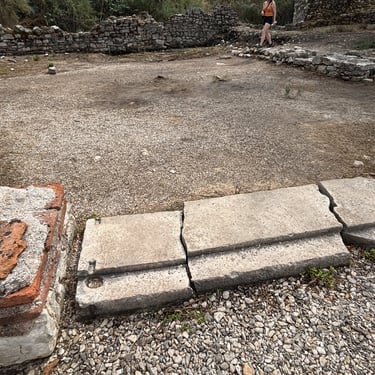
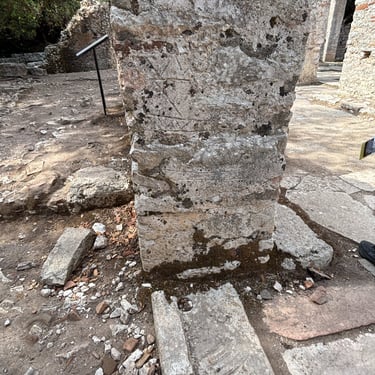
***As always, we are left dumbfounded by the scope of the stonework and the apparent technology used to make life functional for the humans of the past. The doors, hinges, thresholds, bowls, wells, aqueducts, and pillars are amazing.
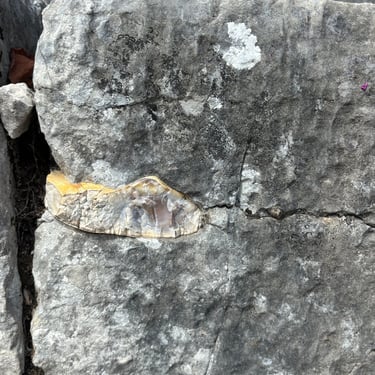
But a new wonderment fills our minds...how were the stones created and what life forms were swept into them (fossils)?
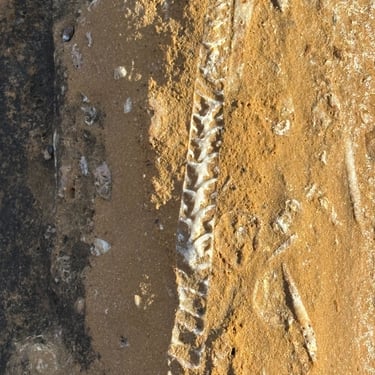
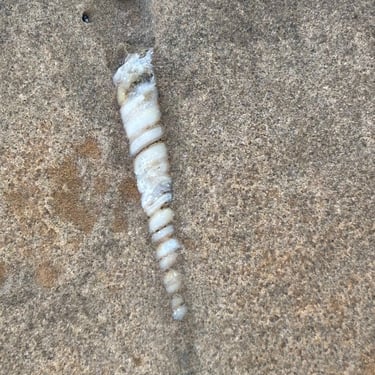
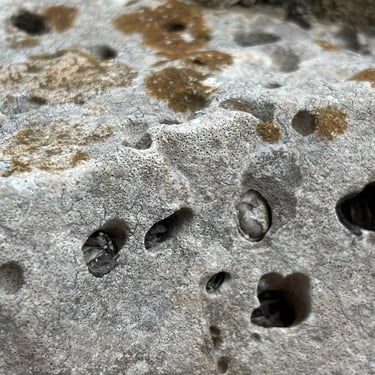
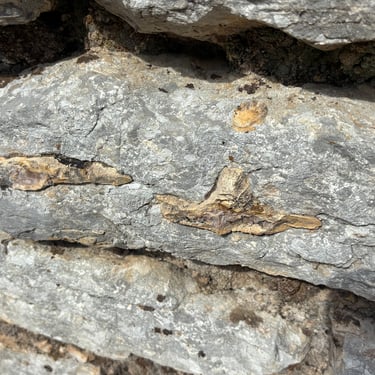
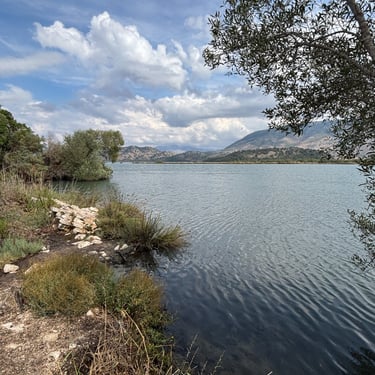
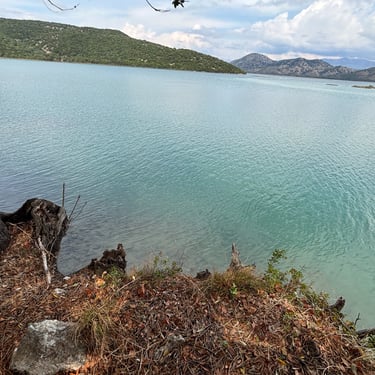
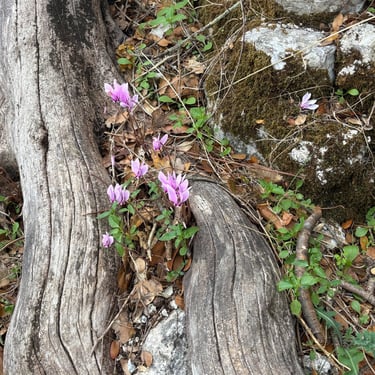
Butrint National Park was inscribed on the National Heritage List of Protected Monuments in 1948 and declared a National Park in 2005. The National Park acts as a buffer zone for the World Heritage property and here's the beauty of it!