The Secret Side of Dublin
Explore the secret side of Dublin hidden in plain sight. Learn and laugh alongside the Irish who walk by these places every day.
TRAVEL
11/27/20254 min read
Dublin, Ireland is an old city with tons of history. The Irish are incredibly proud of their history and not just in the capital city. Tourist companies operating in Dublin and many other cities in Europe will encourage you to pay high dollar fees for the most popular activities. But, did you know, there is a secret way to enjoy Dublin without spending a single penny?
Whether you are traveling on a budget, avoiding crowded locations, or simply interested in the real history of Dublin, there are things all over town to see FOR FREE. In fact, most of them are being overlooked by the giant tour groups every single day without one mention. These secrets sit in plain view day in and day out. The locals may know they exist, but don’t pay them any mind or they don’t remember the relevance. Do you want to see the secret side of Dublin?
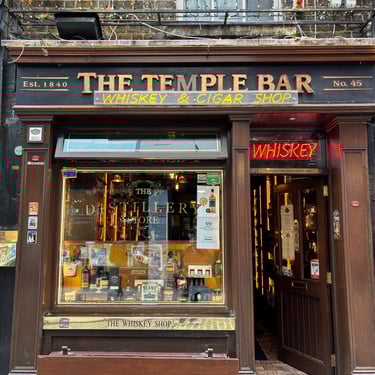
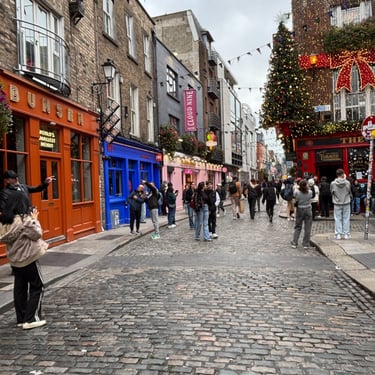
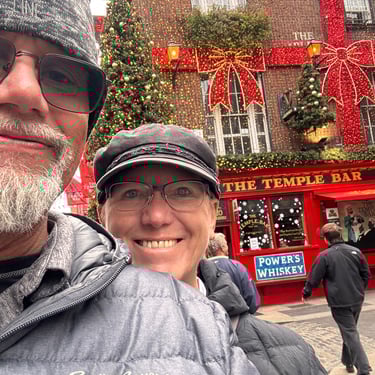
· Temple Bar Neighborhood: Mistakenly viewed in isolation and visited by tons of people you can buy an expensive pint at the iconic Temple Bar, But, in actuality, Temple Bar is the ENTIRE neighborhood. Filled with lively craic, especially into the night, there are plenty of vibrant free things to see in this neighborhood.
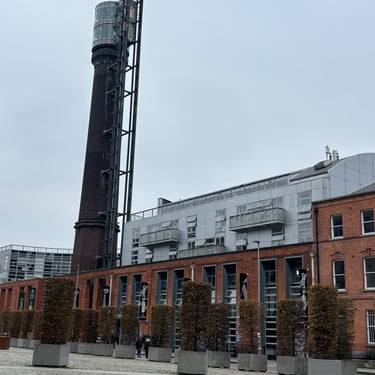
· Generator Skyview Tower: Built in 1895 as a chimney for Jamison whiskey, is one of the tallest structures in Dublin to view all the way to Wicklow Mountains or Howth Head on a clear day. The platform at the top was formerly used as an Air Traffic Control Tower. Going up into the tower is a tariff, but seeing this history is free.
· 10 National museums: Museums are a part of every city, but often there is a tariff or fee for entry. Ireland has ten free museums preserving the Irish culture and history.
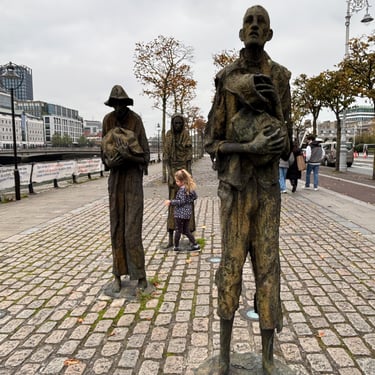
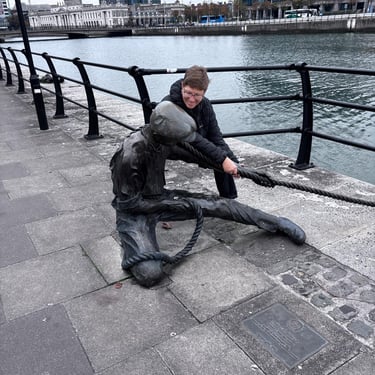
· National Famine Way Trail: Starting in Roscommon and ending in Dublin is the 165km historic trail that traces the footsteps of the Strokestown tenants (men, women and children) who were marched from Roscommon to Dublin in 1947 after they failed to pay their rent. This little girl found the raw spirit of a motherly statue as she talked with and hugged the figure in Dublin near the Epic museum.
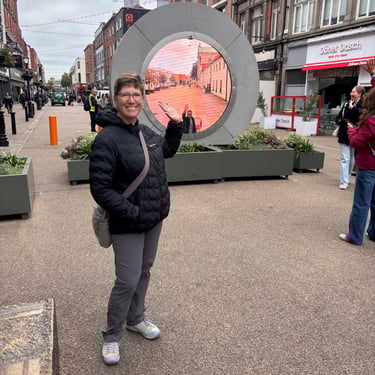
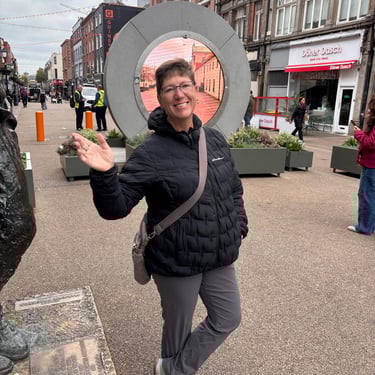
· The Dublin Portal: Unveiled in 2024 this fourth world-wide portal brings technology, engineering and art together to bind communities. The Dublin portal connects real-time, unfiltered livestream 24/7 with New York. If you know anything about the Irish emigration, you will understand the deep historic roots of these combined cities. Stop and wave to any passersby in real time.
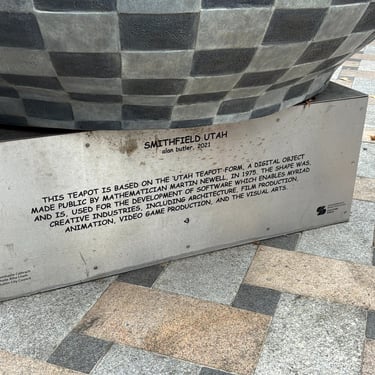
· Smithfield Square: With a longstanding history of community and gathering, Smithfield Square today hosts unique art installations and celebrations. Near the Jameson Distillery, this square can be enjoyed year-round.
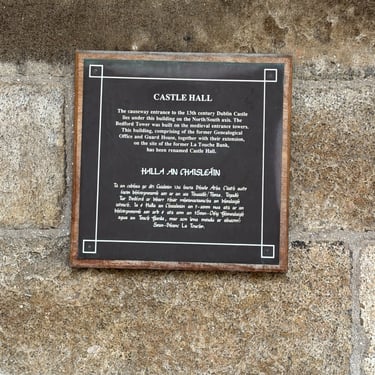
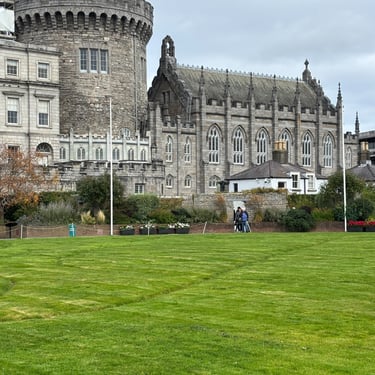
· Dublin Castle (gardens): Originally a motte-and-bailey castle as the seat of English rule from 1204 until 1922, the castle buildings are visited with a tariff/fee. The castle gardens are free to visit year-round and is the site to many events throughout the year. One of Ireland’s free museums is also located at the Dublin Castle.
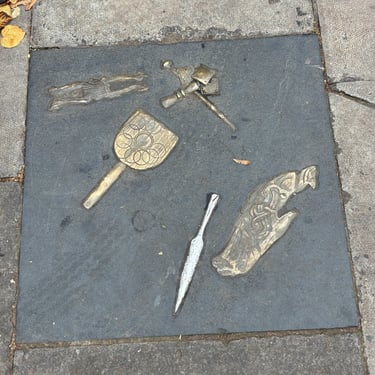
· Bronze Plaques of Artifacts: Walk along the Wood Quay neighborhood near Christ Church Square and you’ll find yourself retracing the steps of ancient Viking raiders and traders. A plethora of Archeological artifacts have been discovered in this neighborhood and placed in the National Museums. However, undisturbed finds are commemorated underneath these bronze placards. Imagine the historical ghosts that haunt those underground artifacts.
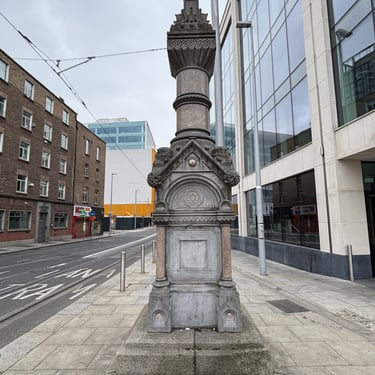
· Officer Patrick Sheahan’s Memorial: A freestanding marble statue erected in 1906, then moved in 2012, commemorates the death of a Constable with the Metropolitan Police force who died in the line of Duty. The statue describes Officer Sheahan’s heroic rescue attempt. If you know an officer in blue or someone who risked their life to save others, then a pause at this monument will touch your soul too.
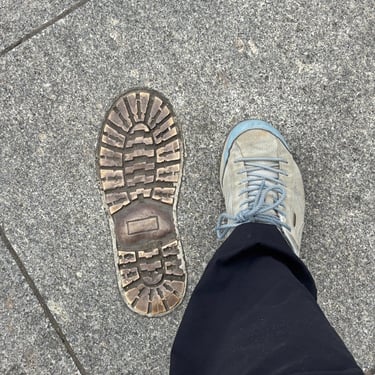
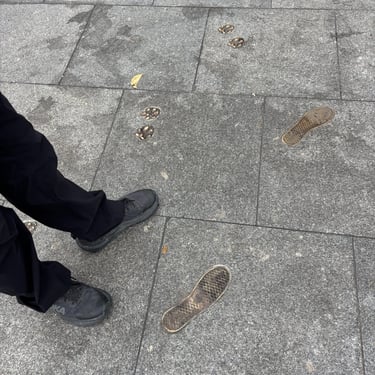
· The Shoeprints: Near the O’Connell Street Bridge, we discovered bronze shoeprints of various shapes. We think it is an art installation but could not find any information near the print or online. They were fun for photos.
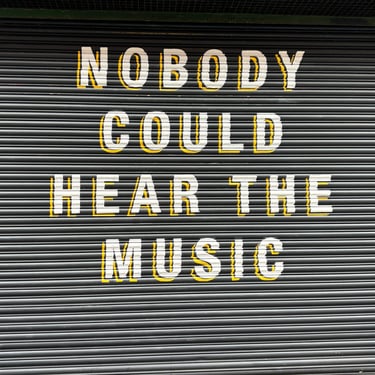
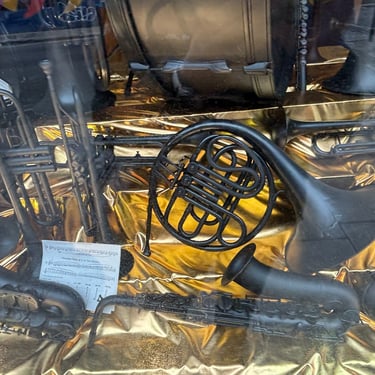
· Nobody Could Hear the Music: The window display at 20/21 South William Street might be overlooked as an odd music shop, when in fact, it highlights a historical Artane Boys Band, part of St Joseph’s Industrial School, in north Dublin, until the latter’s closure in 1969. Dublin is not afraid of showing tragic history to learn from the horrors.
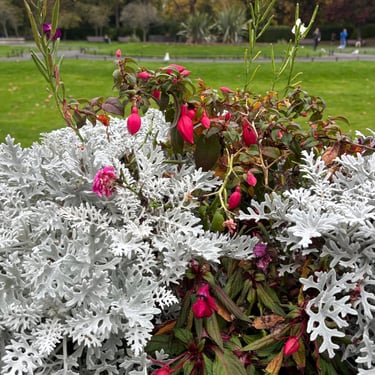
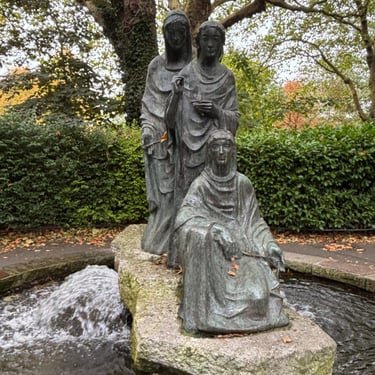
· Dublin Parks: Ireland is known for its lush green vegetation, and that doesn’t stop at Dublin’s city line. Nature and biodiversity can be experienced in any of the Dublin parks. We walked through St. Stephen’s Green Park which combines nature with history. Next to the important sculptural monuments we were able to read about the Irish history too.

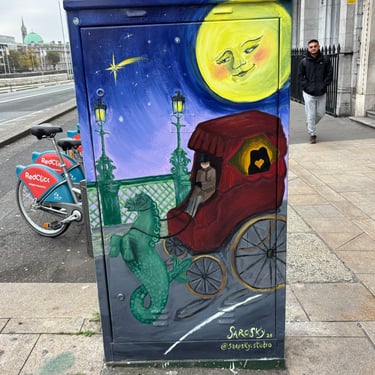
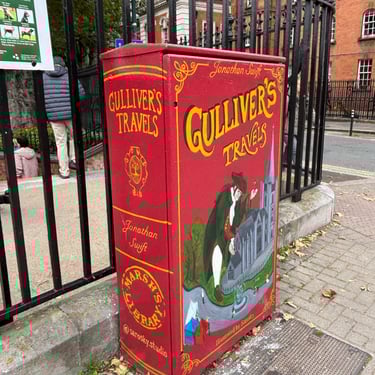
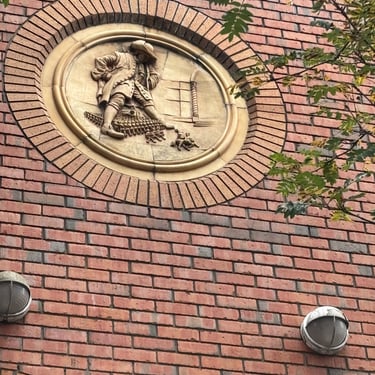
· Gulliver Travels: If you’ve ever heard of or read the book by Jonathan Swift, then you will be delighted to walk through the section of Dublin near St. Patrick’s Cathedral. He has been memorialized on buildings and street art. He is even buried in St. Patrick’s Cathedral not far from the place by where he was born.
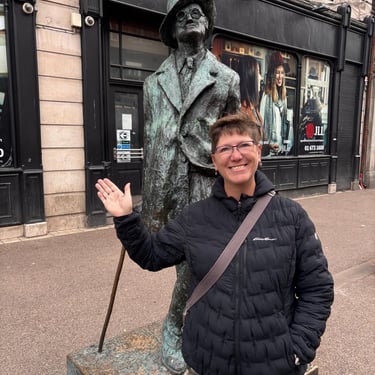
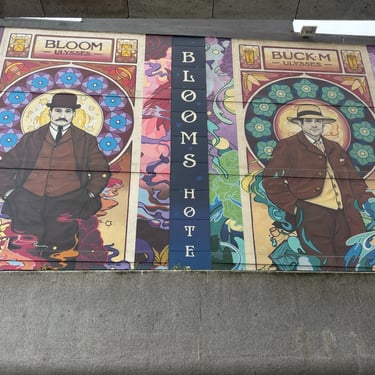
· Ulysses: Irish Author James Joyce is memorialized all throughout Dublin as the characters in his book were based in the city.
· The Cobblestone Pub: For the price of a pint, you can enjoy traditional Irish music where a recent battle for Irish Culture was successfully fought.
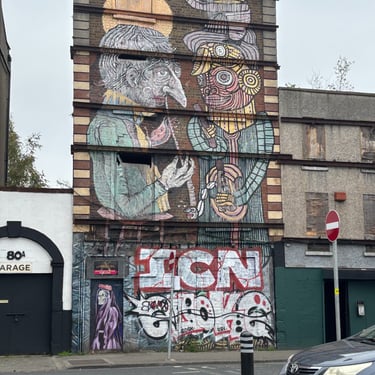
If you simply walk and observe your surroundings in most cities these days, you will stumble upon beautiful architecture, street art, wildlife, and trees and flowers that will make you smile. So, get your head out of your phone and look about for a moment of FREE joy. It will be your secret when people see you smiling.